1800-Flowers Inspiration 1800-Flowers Inspiration
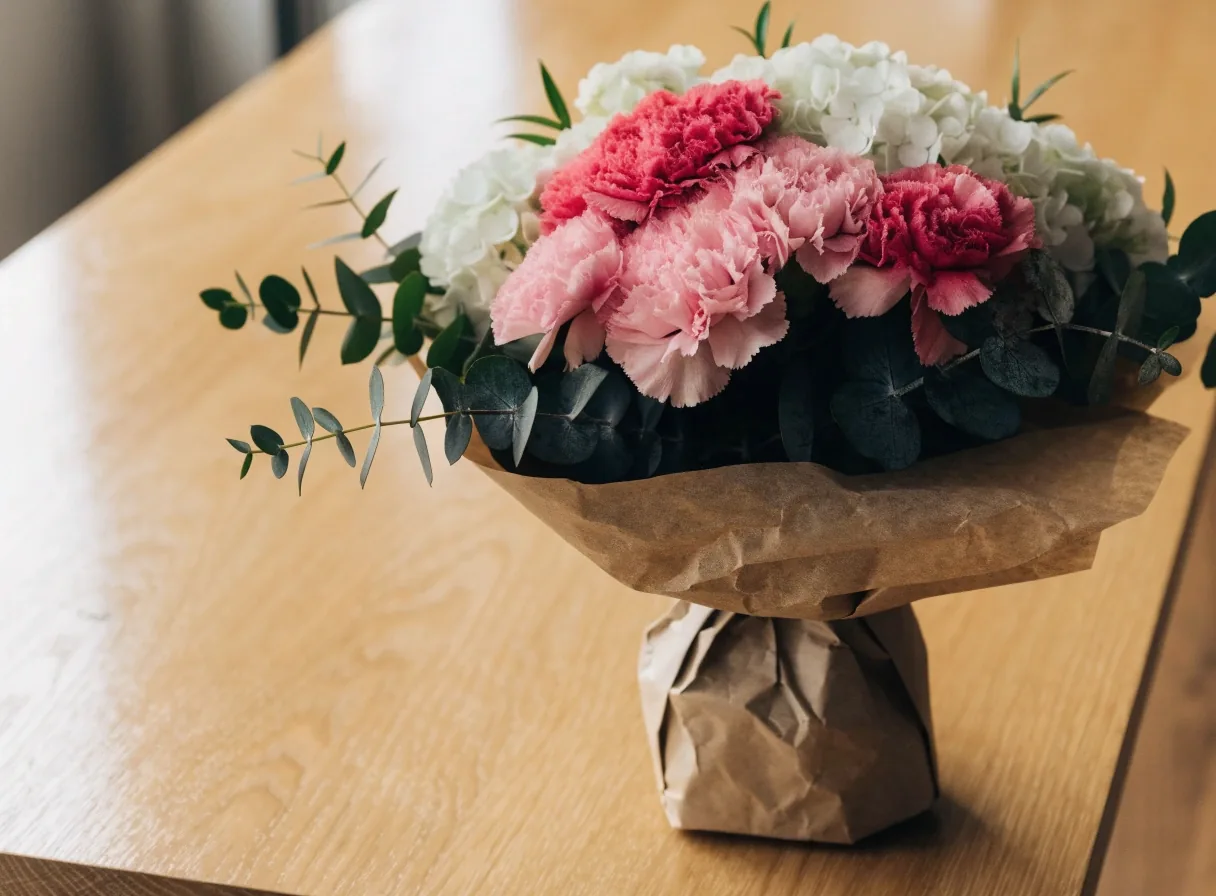
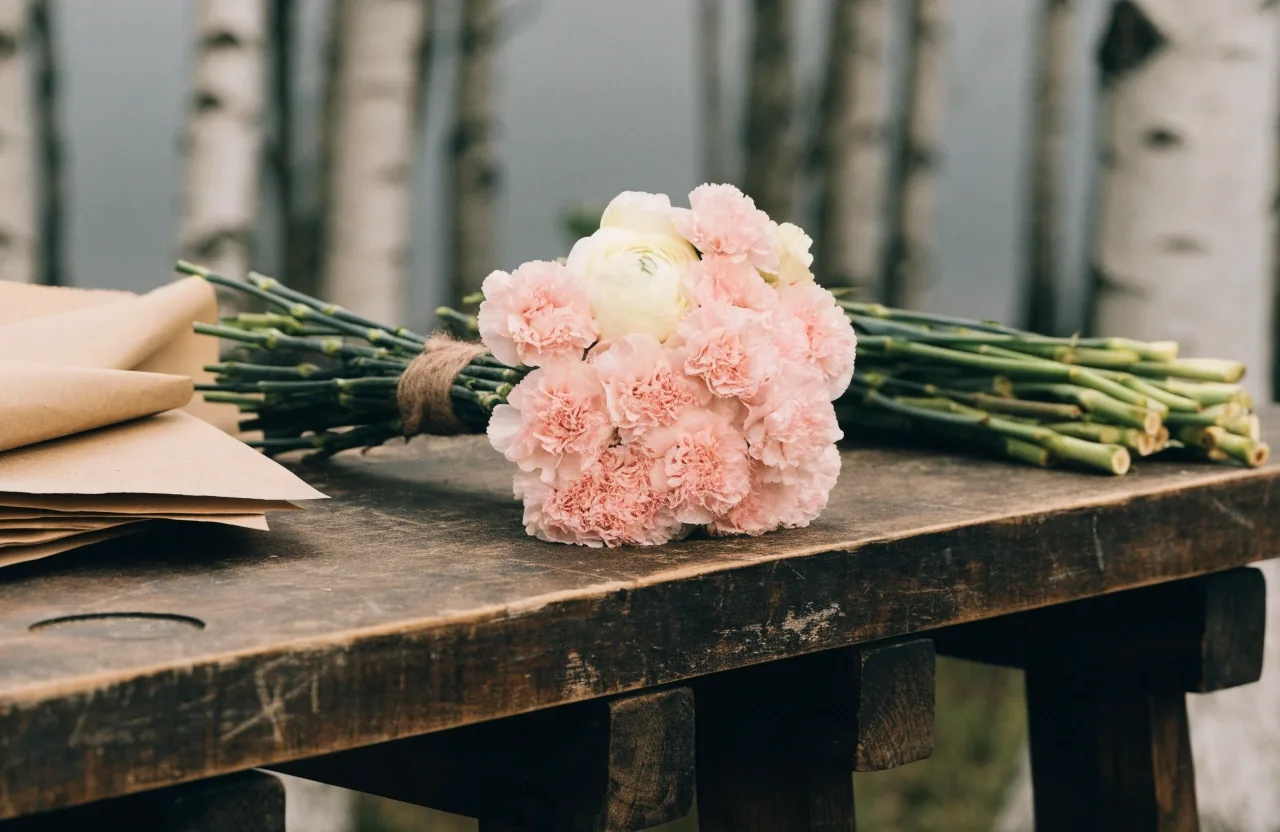
Hand-tied carnation bouquet resting on a florist wrapping bench
Floral design guide

Floral arrangements and bouquet ideas explained

What each form is for, how bloom choice changes the look, and how to pick for home and gifting.

On this bench today

Arrangement names get used interchangeably, which makes flower shopping harder than it needs to be. This flower inspiration guide separates the common floral arrangements, explains what each one is for, and shows how bloom choice and color change the result. It is written for people choosing flowers for a home, a gift or a table, not for professional designers.

Hand-tied carnation bunch, bench record
Home + gift use
Three forms covered
Year-round reading
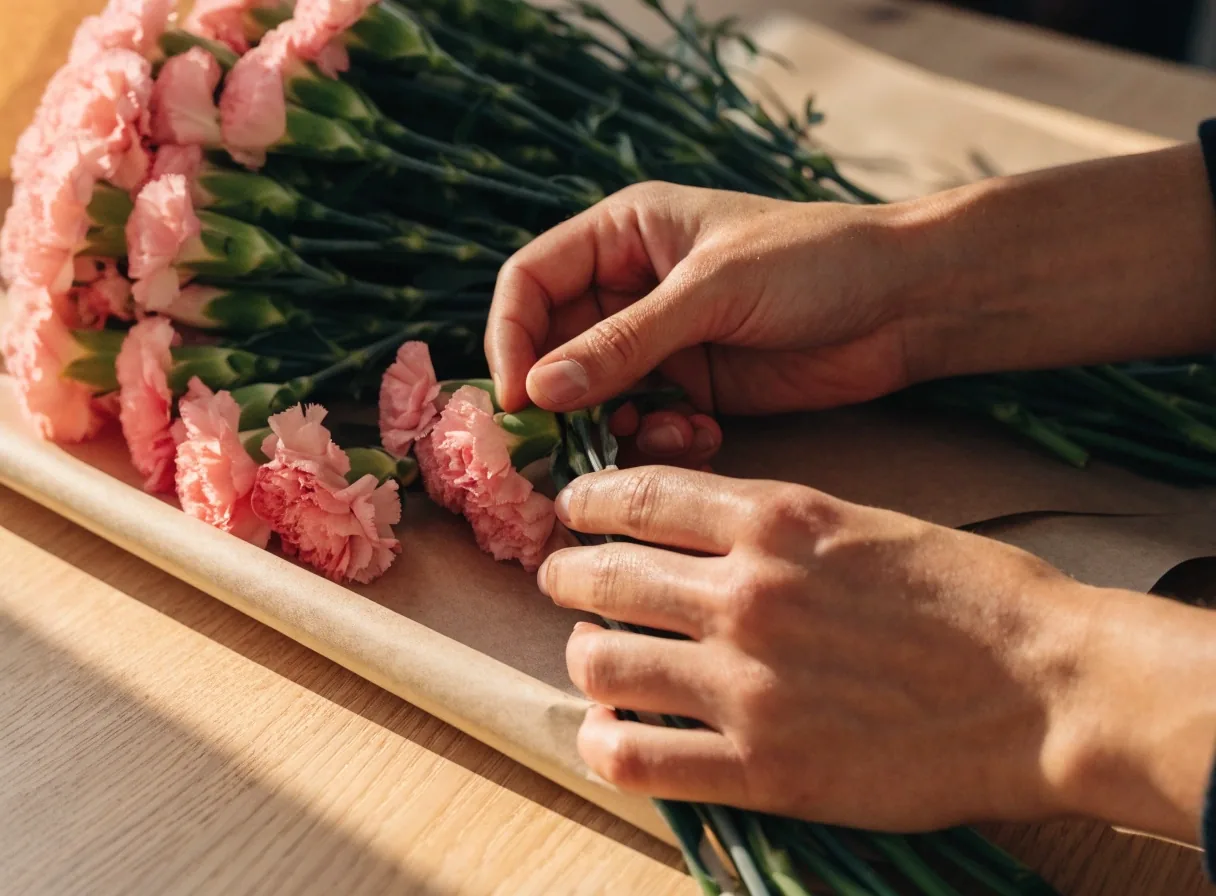
Hand-tied bouquet showing spiral stem structure on a bench

Bouquet · hand-tied · arrangement

Bouquet, hand-tied bouquet, arrangement: the difference

A bouquet is stems gathered in the hand and usually wrapped. A hand-tied bouquet keeps that spiral structure when placed in a vase, so it looks intentional from every side. An arrangement is built directly into a container, often with foam or a grid to hold stems in place.

If you are carrying flowers to someone, a hand-tied bouquet travels better — wrap, carry upright, then trim and vase on arrival. If flowers stay on your own table, an arrangement holds its shape with less fuss, because the support is already built in.

Carry test: does it travel wrapped
Bouquet yes
Arrangement stays put

Stem count and why it is not the whole story

Stem count tells you how many individual flowers are included, not how full the flower bouquet ideas will look. Five peonies can read as more generous than twenty smaller blooms because each peony head is large.

When you compare options, ask about bloom size alongside count, or look at the overall dimensions. This is the single most common source of disappointment in flower gift ideas: the count was high, the visual impact was not.

Quick check before you choose

  • Compare finished width and height, not stems alone.
  • Large heads — peony, hydrangea, garden rose — fill faster.
  • Match the bunch to the vase mouth you own.

Mixed and single-variety

Two ways a bouquet earns its shape

Most floral design decisions come down to one question: one flower repeated, or several flowers composed? Both can look considered. The difference is how you hold the mix together.

Mixed bouquet of carnations and hydrangea with greenery

Mixed bouquets: how to keep them from looking random

A good mixed bouquet has one dominant flower type, a supporting bloom, and something textural or trailing. Without a lead, a mix of ten species reads as noise. Pick a lead such as roses or dahlias, then two or three companions in a related palette. Vary shape, not just color: round blooms with spiky stems or soft filler.

Formula: lead + support + texture
One color family
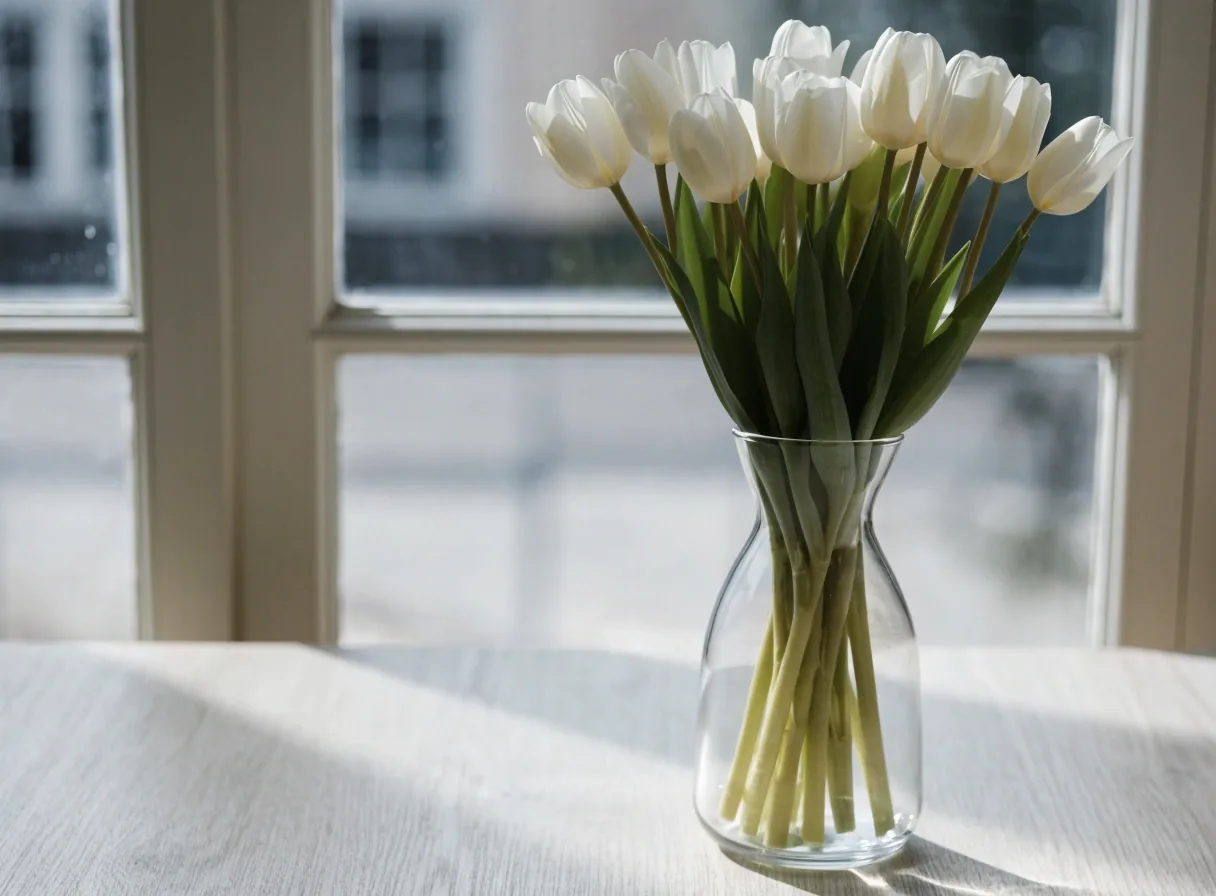
Single-variety bunch of white tulips in a narrow vase

Single-variety bouquets and when they win

One flower, one color, many stems. A dozen red roses, a mass of white hydrangea, a bucket of tulips. Single-variety bouquets also make care easier, since every stem has the same water and temperature needs. If you are unsure of the recipient's taste, this is the safer choice.

Best when taste is unknown
One bloom, one color

A simple starting formula

If you are building your own, try this: one dominant bloom, one supporting bloom, one textural element, and one color family. Five to seven stems is often enough for a small vase.

Build in the hand, rotate as you go, and tie once the shape feels balanced. You do not need a formal design background to get a result that looks intentional.

Read the flower meanings guide

Color palettes that work in real rooms

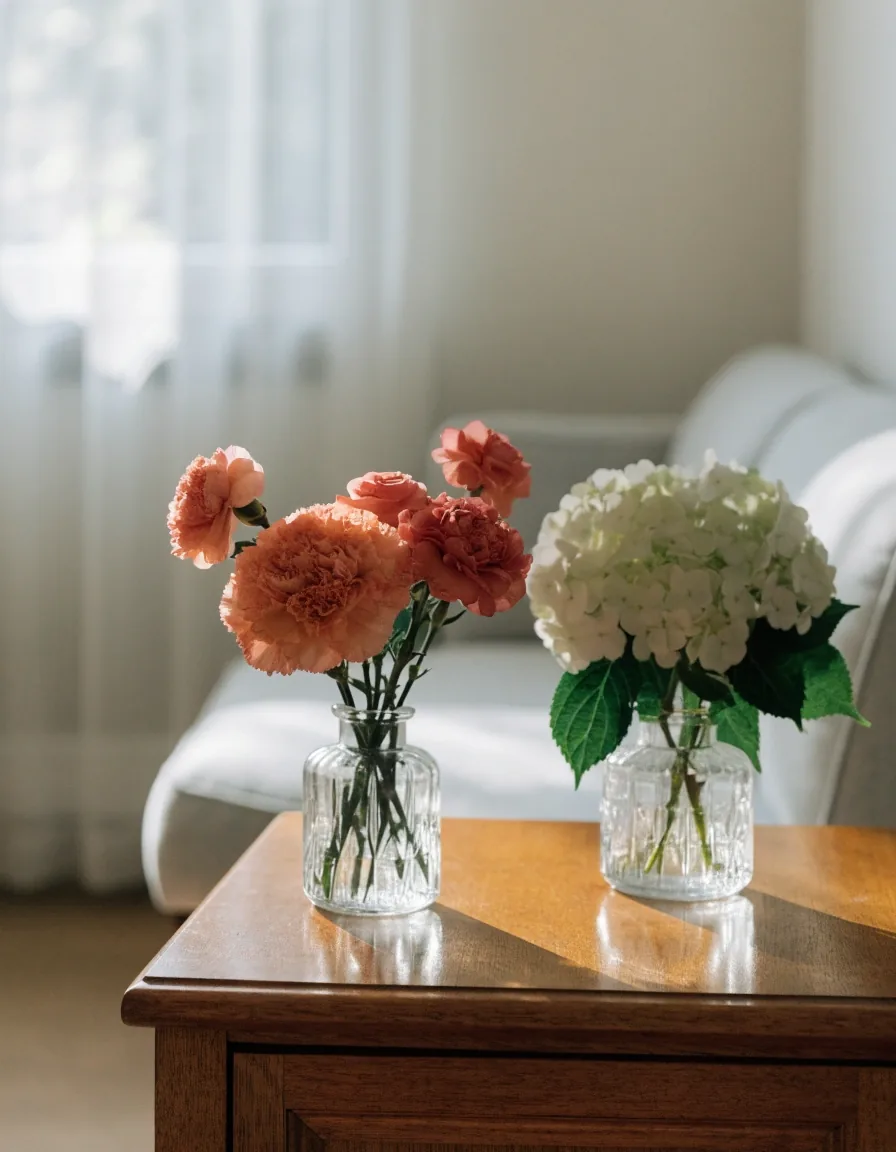
Flowers sit in homes, so the palette should suit the space. Warm palettes with peach, coral, amber and burgundy feel seasonal and inviting, especially in fall and winter. Cool palettes with white, cream, soft blue and lavender read calm and formal.

Monochrome floral arrangements in one color with varied texture look modern and deliberate — think all-white with hydrangea, roses and lisianthus. If you know the recipient's interior, match or deliberately contrast it. If you do not, a white and green palette is the closest thing to universally safe, and it suits birthday flowers, anniversary flowers and special occasion gifts alike.

Warm and cool flower palettes arranged in a living room

Palette note

Warm for gathering rooms, cool for calm corners, white and green when you are not sure.

Seasonal blooms and what they change

Seasonality affects more than availability. Choosing seasonal flowers usually means fresher stems and a longer vase life, which is a practical reason to let the calendar guide the design. Gift ideas for her and for the home both last longer when the blooms are in their natural window.

Spring

  • Tulips — light stems
  • Ranunculus — airy layers
  • Peony buds — early show

Light, airy quality for small vases.

Summer

  • Dahlias — saturated color
  • Zinnias — bold heads
  • Hydrangea — full volume

Saturated and bold for gatherings.

Fall

  • Chrysanthemums — weight
  • Branches — texture
  • Carnations — long show

Weight and texture for low bowls.

Winter

  • Amaryllis — tall line
  • Evergreens — structure
  • Imported blooms — fill

Structure when daylight is short.

Scale, proportion and where the flowers will live

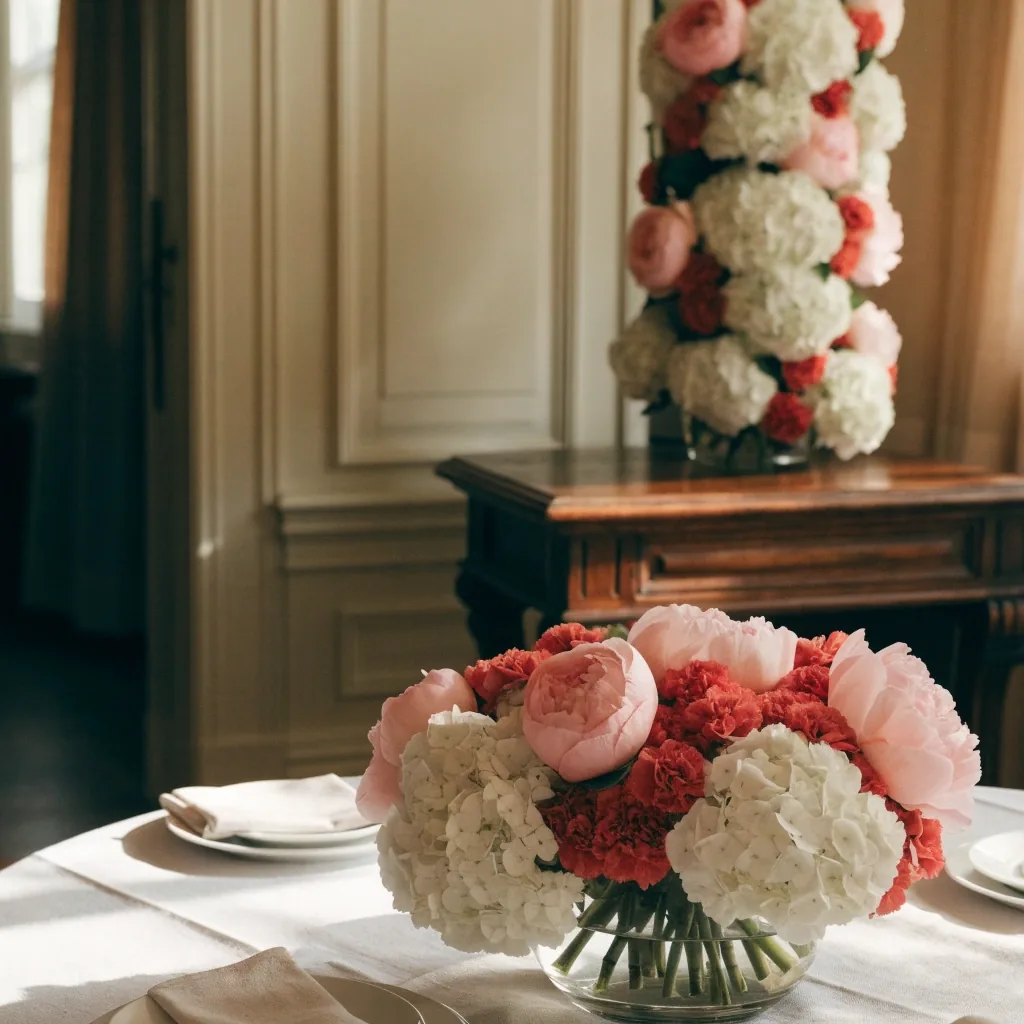
An arrangement that looks right on a florist's counter can look wrong on your table. Consider the surface and the sightlines. A low, wide centerpiece keeps dinner conversation open. A tall arrangement belongs against a wall or on a console, not in the middle of a table.

For a desk or side table, a small posy or single stem in a narrow vase often works better than anything large. Proportion to the space is the rule that matters most.

Low table centerpiece and tall console arrangement showing scale

Carnations, hydrangea and peony: three workhorses

Carnations are long-lasting and available in nearly any color, which makes them excellent for mixed work and for anyone who wants flowers to stay nice for a week. Hydrangea provides instant volume; one large head can anchor a whole design. Peonies bring softness and celebration and look generous with only a few stems.

Using one of these as your anchor and building around it is a practical way to make a home arrangement look considered — a steady flower inspiration base for birthday flowers and anniversary flowers alike.

Anchor habit: one workhorse + two companions
Build around volume

Care act

Care basics for any arrangement

These four habits do more for longevity than any additive. Keep this flower care tips list taped inside a cupboard and every bouquet — hand-tied or vase-built — stays fresher longer.

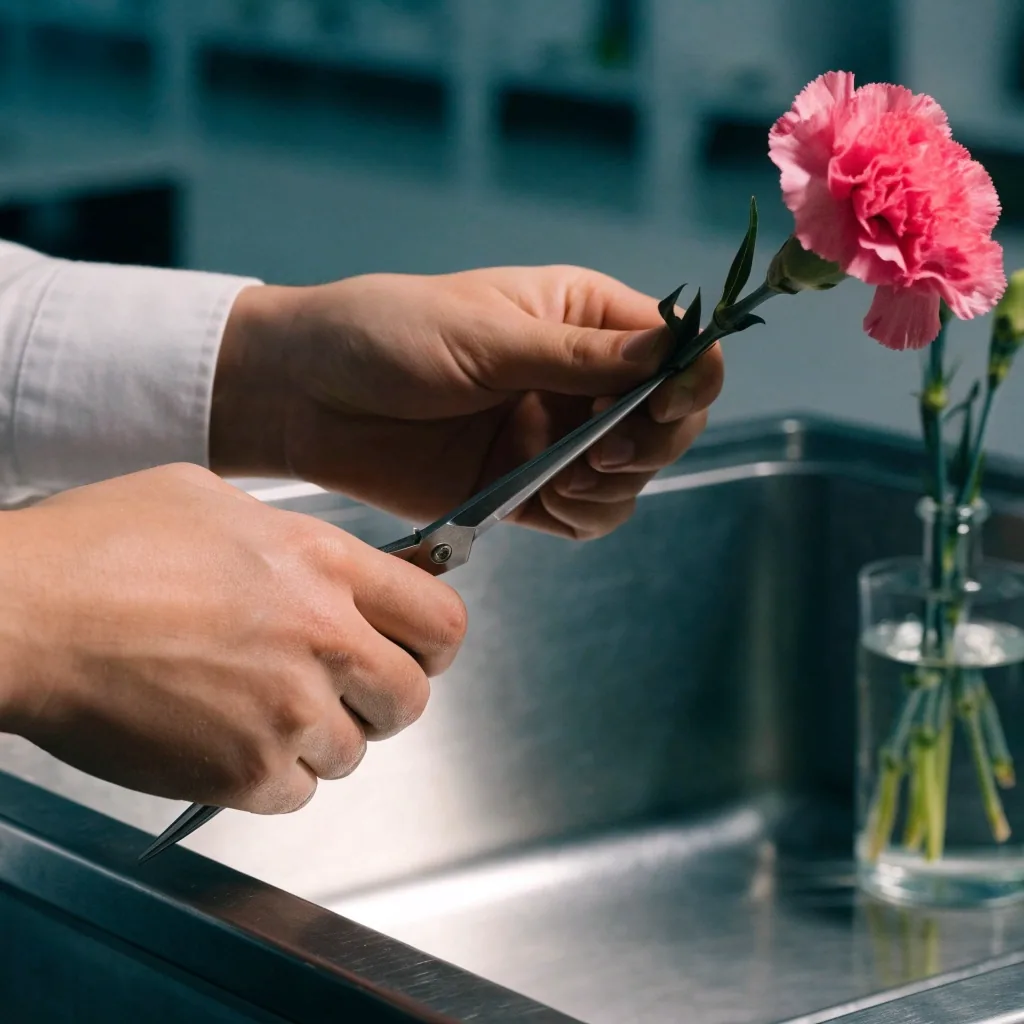
Hands trimming a stem at a bench sink beside water
Get flower care tips
Recut stems at an angle

Cut at a sharp angle before stems go in water to open more surface for uptake. Recut again each time you change the water.

Strip leaves below the waterline

Leaves in water rot and shorten vase life. Remove everything that would sit below the rim, and check again after settling.

Change water every other day

Fresh, cool water with a clean vase keeps bacteria down. Rinse the vase, refill, and recut stems at the same time.

Keep cool, away from sun and fruit

Keep the vase out of direct sun and away from ripening fruit, which releases ethylene and speeds wilting. A cool corner beats a sunny sill.

Vase-life rhythm, bench log
Water + recut cycle
Cool placement

Keep exploring flower meanings and seasonal picks

Pair this guide with flower meanings, seasonal flowers through the year, and gift ideas by occasion. Visit us at 428 Flower Market Way, Suite 102, Portland, OR 97209, or write to [email protected].